
Children's Oral Health
Why baby teeth matter (even though they fall out)
Written by Dr. Shalu, BDS
Last updated

It is tempting to treat baby teeth as temporary and therefore optional. They are temporary - they are not optional. Each baby molar holds space for the adult tooth underneath. Lose one early to decay, and neighbouring teeth can drift, making crowding and later braces more likely.
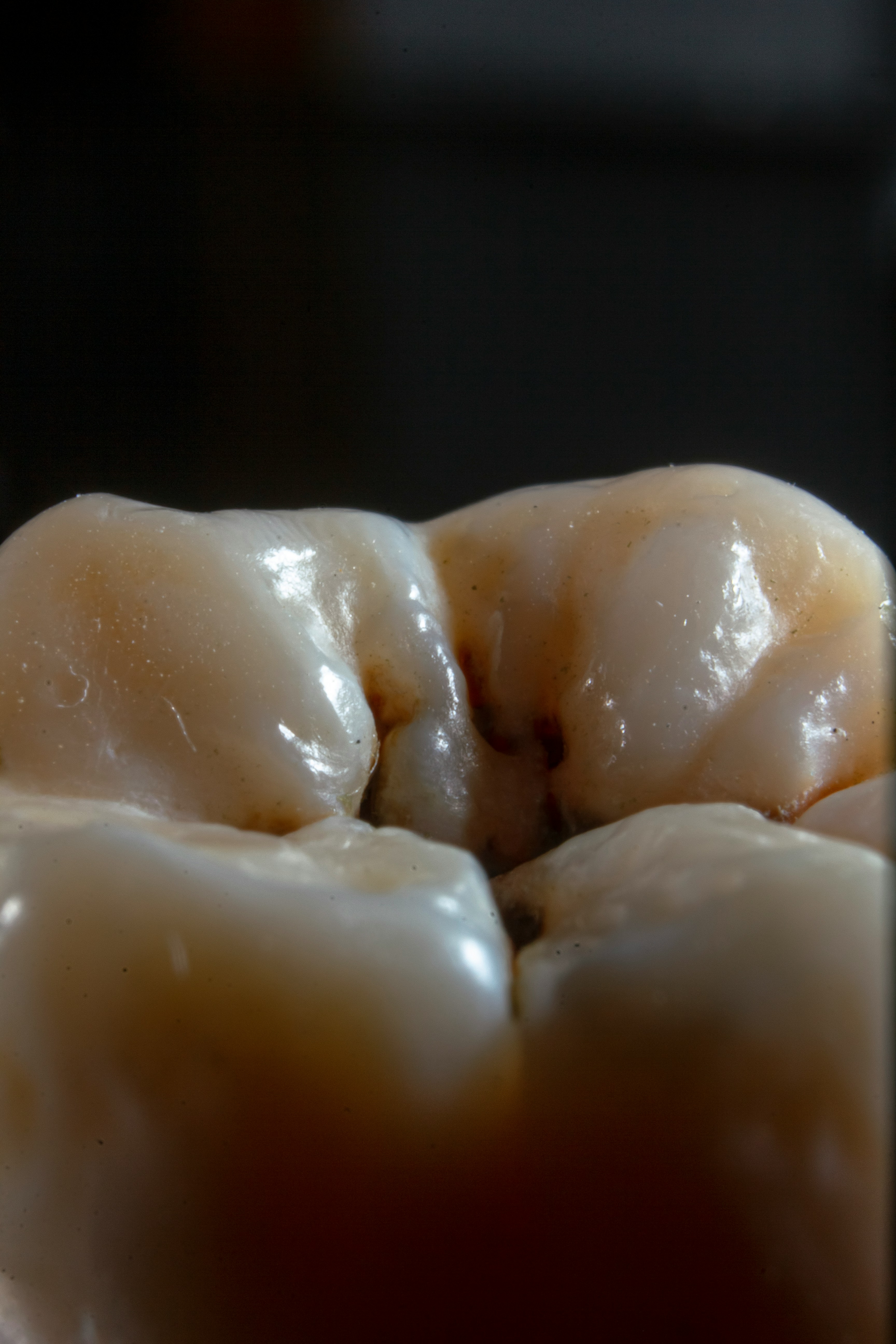
Baby teeth also get cavities, abscesses, and night pain. An infection in a small child is not “just a baby tooth”; it can make eating and sleeping miserable and, rarely, spread.
What helps at home
- Start brushing as soon as the first tooth appears, twice a day with a smear of fluoride toothpaste
- Don't put a child to bed with a bottle of milk or juice
- First dental visit by the first birthday, or when the first tooth comes through
If a baby tooth hurts, looks dark, or the gum is swollen, see a dentist. Filling or, sometimes, removing a baby tooth is kinder than waiting for it to “fall out on its own” while the child is in pain.
References
Grounded in standard dental textbooks and professional guidance. These are general sources, not a substitute for an in-person exam.
- McDonald RE, Avery DR, Dean JA. Dentistry for the Child and Adolescent.
- American Dental Association. Oral Health Topics.
This is general information written by a dentist, not personal medical advice. If you are in pain, swollen, or unsure, see a qualified dentist.