
Braces & Aligners
Crooked teeth: when braces or aligners are worth discussing
Written by Dr. Shalu, BDS
Last updated
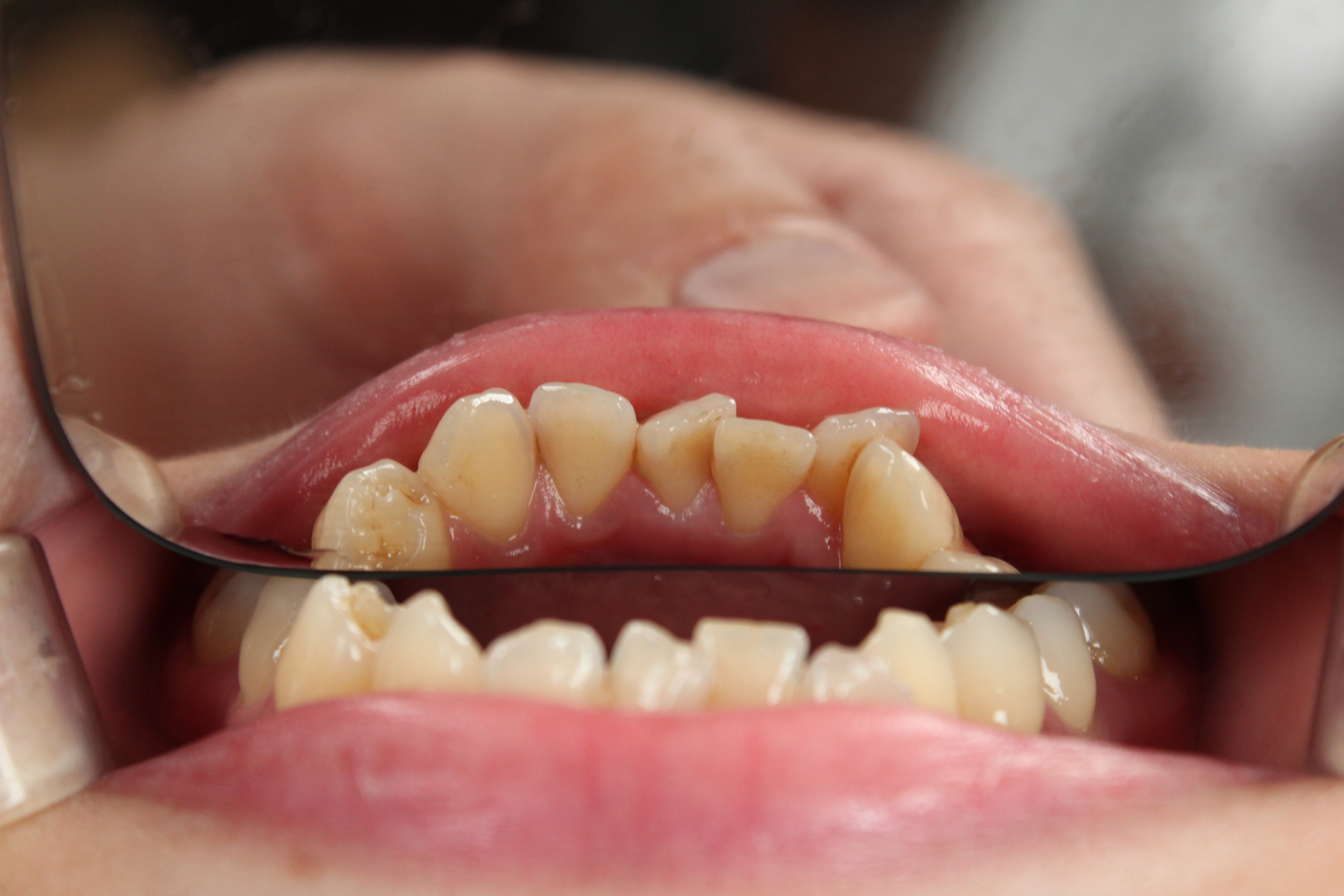
Malocclusion means the teeth and jaws don't meet as they should - crowding, spacing, a deep bite, an open bite, or a shift to one side. Some of this is inherited. Some follows early loss of baby teeth, thumb-sucking, or mouth-breathing.
Not every crooked tooth needs treatment. The case for braces or aligners is stronger when the bite makes chewing awkward, the teeth are hard to keep clean, speech is affected, or a child is self-conscious enough that it is hurting them.
What to expect
- A dentist can flag a developing problem; an orthodontist plans the actual treatment
- Many children are first assessed around ages 7-10, even if treatment starts later
- Adults can have braces or aligners too - bone still remodels
Aligners are not a shortcut around hygiene: both braces and trays need careful cleaning. If you are considering treatment, start with a proper exam rather than a mail-order kit that never looks at your gums or roots.
References
Grounded in standard dental textbooks and professional guidance. These are general sources, not a substitute for an in-person exam.
- Proffit WR, Fields HW, Sarver DM. Contemporary Orthodontics.
This is general information written by a dentist, not personal medical advice. If you are in pain, swollen, or unsure, see a qualified dentist.