
Tooth & Cavities
Cavities: What Causes Them and How to Prevent Them
Written by Dr. Shalu, BDS
Last updated
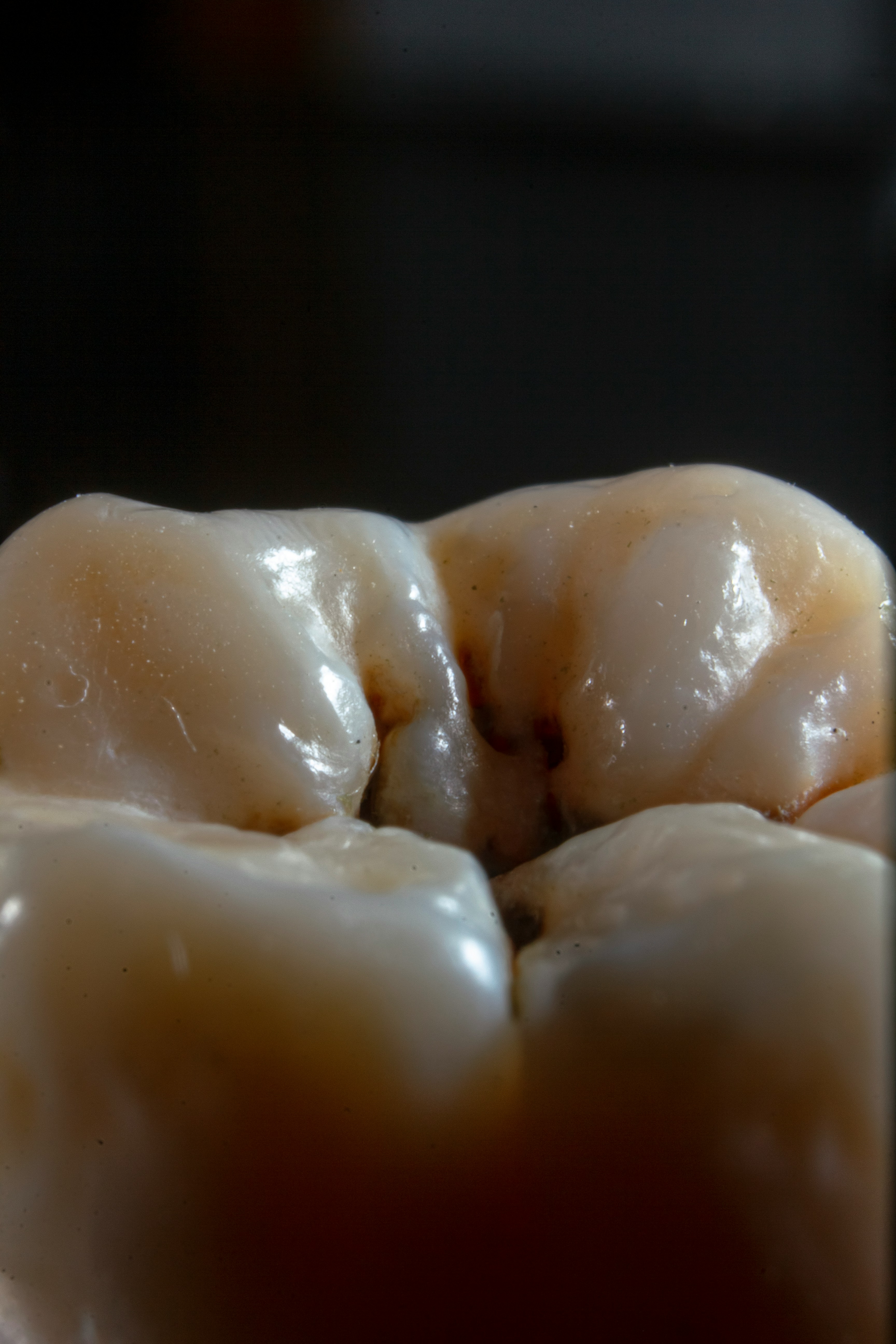
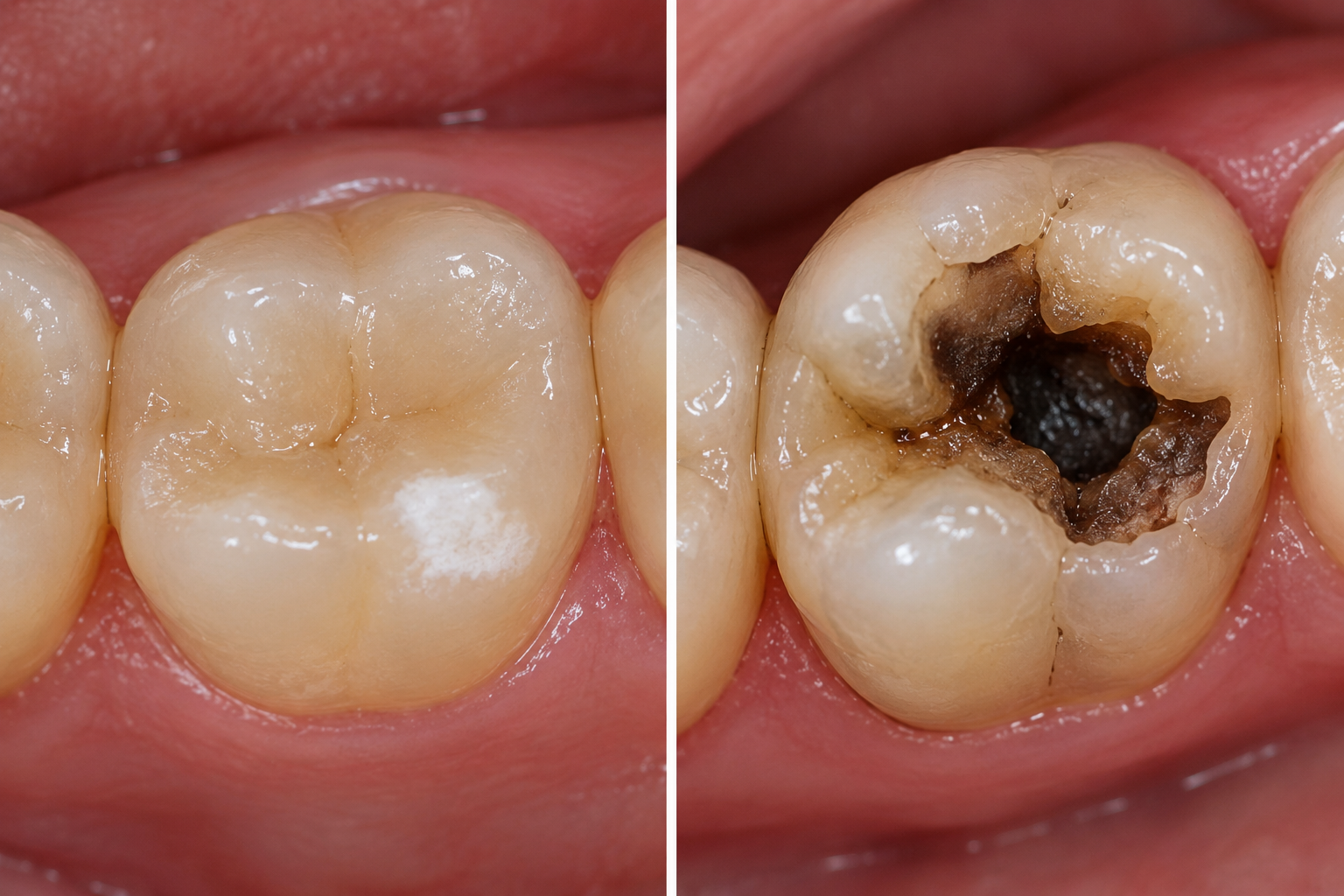
Cavities - also called tooth decay or caries - are among the most common health problems in the world, and they can affect anyone. They form when plaque bacteria feed on sugars in your food and produce acids that gradually wear tiny holes in the tooth's enamel.
In the early stages, a cavity often causes no symptoms at all, which is exactly why regular check-ups matter. As it grows, you may notice sensitivity, pain when eating sweet, hot, or cold things, visible pits or dark spots on the tooth, or a persistent toothache.
The good news is that decay caught early can be treated simply - often with a small filling. Left too long, though, it can reach the nerve and require a root canal or even extraction. Brushing twice daily with fluoride toothpaste, cleaning between your teeth, cutting back on sugary snacks, and seeing your dentist regularly are the best ways to keep cavities at bay.
References
Grounded in standard dental textbooks and professional guidance. These are general sources, not a substitute for an in-person exam.
- Roberson TM, Heymann HO, Swift EJ. Sturdevant's Art and Science of Operative Dentistry.
- American Dental Association. Oral Health Topics.
This is general information written by a dentist, not personal medical advice. If you are in pain, swollen, or unsure, see a qualified dentist.