
Tooth & Cavities
Why Does My Tooth Hurt Sometimes And Then Stop On its Own?
Written by Dr. Shalu, BDS
Last updated
Intermittent Tooth Pain: Causes and When to See a Dentist
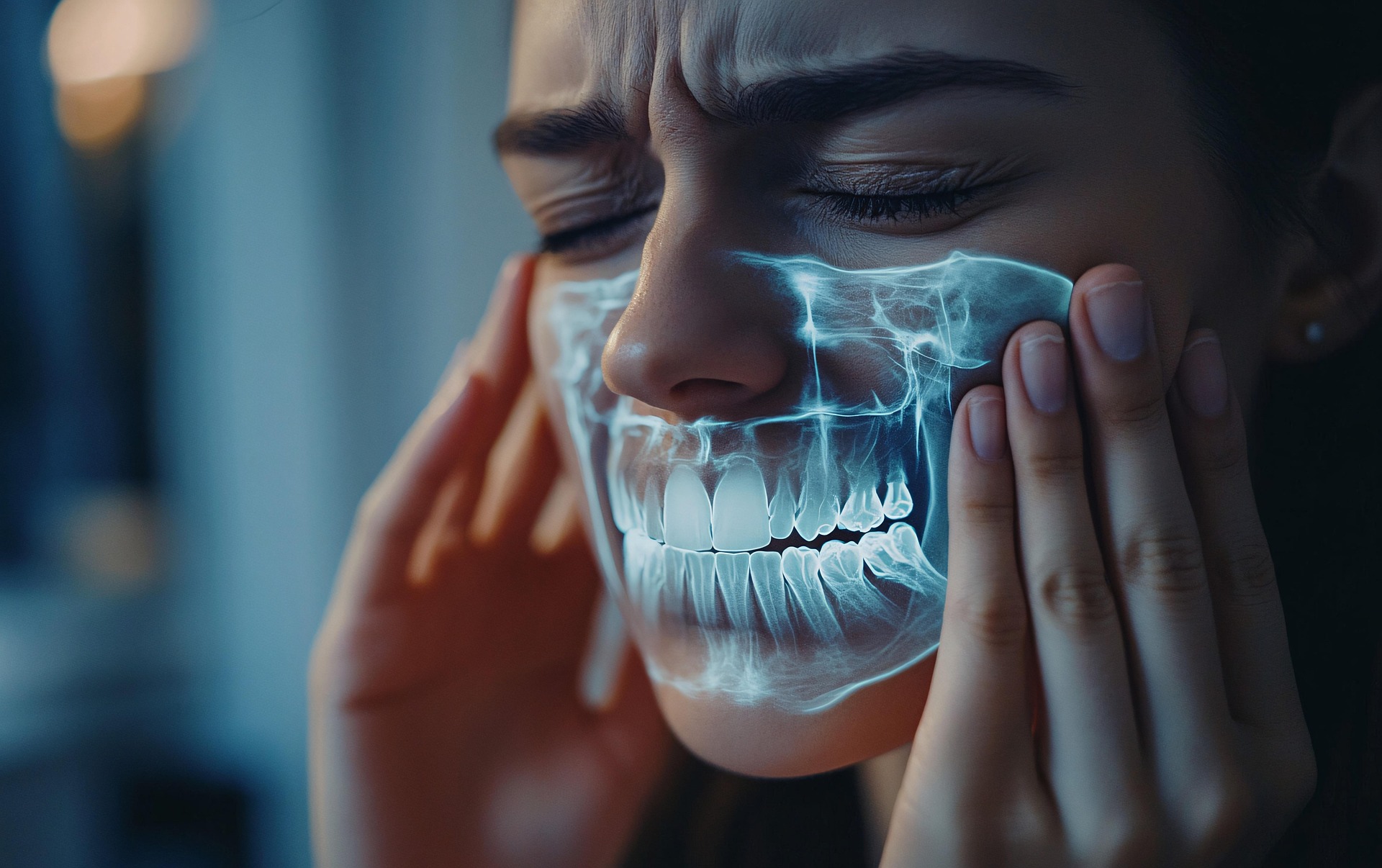
Have you ever experienced tooth pain that appears suddenly and then disappears without any treatment? It may be tempting to ignore it once the discomfort goes away. However, intermittent tooth pain can sometimes be a sign of an underlying dental problem.
Tooth pain is not a disease itself; it is a symptom that can have several possible causes.
Common Causes of Intermittent Tooth Pain
1. Tooth Sensitivity
When the protective enamel becomes worn or the gums recede, the underlying dentin may become exposed. This can cause a sharp, brief pain when consuming **cold, hot, sweet, or acidic foods and drinks**.
The discomfort usually stops shortly after the stimulus is removed.
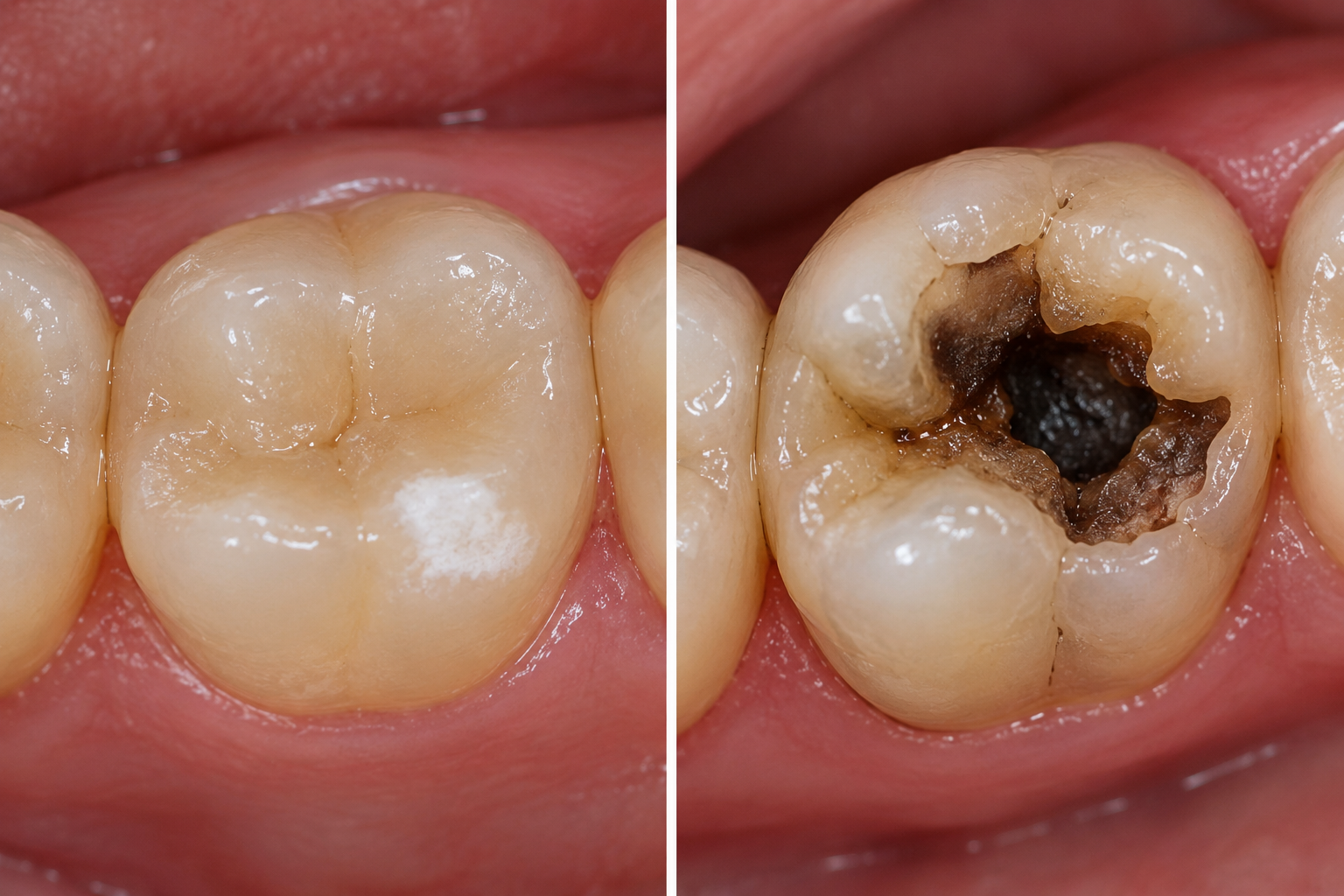
2. Tooth Decay
A cavity may initially cause little or no discomfort. As decay progresses deeper into the tooth, occasional sensitivity or pain may develop.
Pain that repeatedly occurs in the same tooth should not be ignored, even if it disappears on its own.
3. Inflammation of the Tooth Nerve
The soft tissue inside a tooth, called the **dental pulp**, contains nerves and blood vessels. When the pulp becomes inflamed because of deep decay, trauma, cracks, or other causes, the tooth may become painful.
Pain that occurs **without an obvious trigger**, or pain that continues for some time after exposure to hot or cold, deserves dental evaluation.
4. Cracked or Damaged Tooth
A small crack in a tooth may cause intermittent pain, particularly while chewing or when releasing the bite. Cracks can sometimes be difficult to identify without a professional examination.
5. Gum Inflammation
Inflamed gums can cause tenderness or discomfort around a tooth. Plaque accumulation, gum disease, or food trapped between teeth can contribute to this problem.
6. Teeth Grinding or Clenching
Regularly clenching or grinding the teeth can place excessive pressure on them. This may result in occasional tooth tenderness, sensitivity, or discomfort, particularly after waking up.
7. Wisdom Tooth Problems
A partially erupted or impacted wisdom tooth may cause pain that comes and goes. Food and bacteria can become trapped around the tooth, leading to inflammation of the surrounding gum.
Why Does the Pain Go Away?
The disappearance of pain does not necessarily mean that the underlying problem has disappeared.
Some dental conditions cause pain only when a particular stimulus is present. In other situations, symptoms can temporarily settle even though the underlying condition remains.
For this reason, repeated or unexplained tooth pain should be assessed by a dentist, particularly if it is becoming more frequent or intense.
When Should You See a Dentist?
Arrange a dental examination if your tooth pain:
- Keeps returning
- Occurs without an obvious trigger
- Lasts for a prolonged period after hot or cold foods
- Gets progressively worse
- Occurs while chewing or biting
- Is accompanied by swelling, fever, or a bad taste in the mouth
Facial swelling, difficulty swallowing, or difficulty breathing requires urgent medical attention.
The Bottom Line
Occasional tooth pain that disappears on its own may be caused by something relatively minor, such as sensitivity, but it can also be an early sign of decay, a cracked tooth, or inflammation of the dental pulp.
If the same tooth repeatedly hurts, don't wait for the pain to become severe. A dental examination can help identify the cause early and prevent the problem from becoming more complicated.
This information is intended for general oral-health education and does not replace an individual dental examination or professional diagnosis.
This is general information written by a dentist, not personal medical advice. If you are in pain, swollen, or unsure, see a qualified dentist.