
Tooth & Cavities
Toothache: Common Causes and How to Get Relief
Written by Dr. Shalu, BDS
Last updated

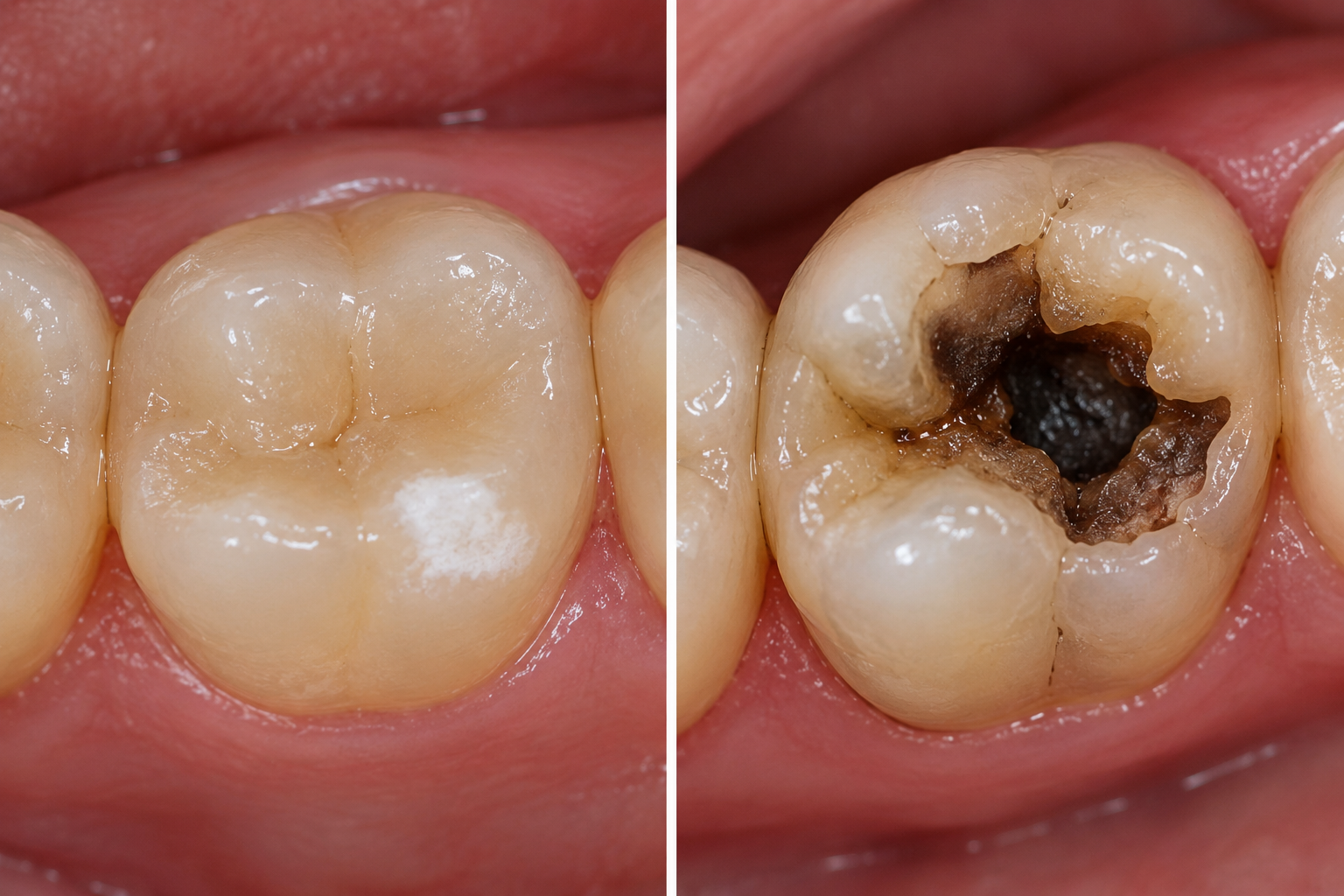
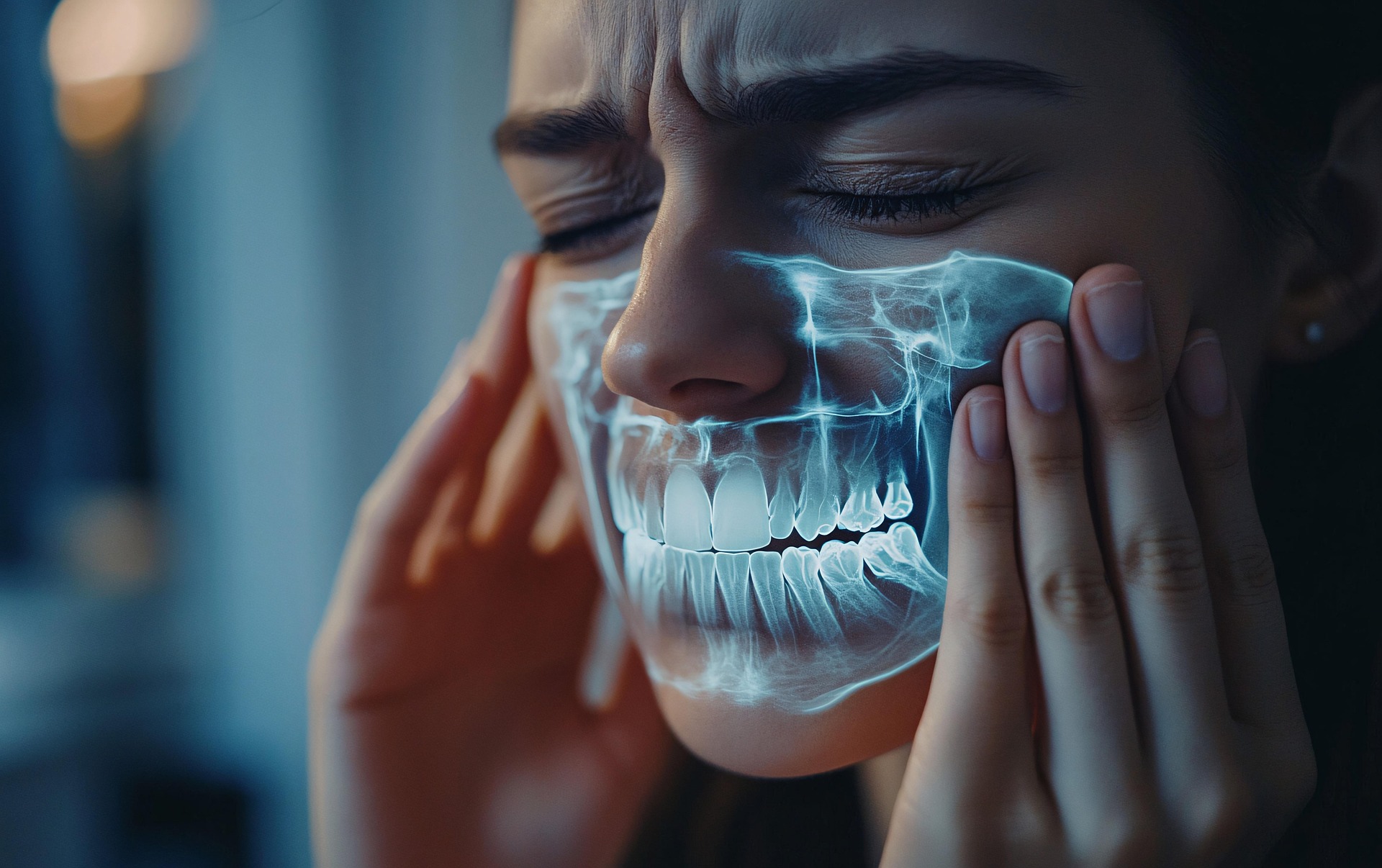
A toothache is your body's way of telling you something's wrong - and it rarely improves on its own. The pain can range from a dull ache to a sharp, throbbing sensation that makes it hard to eat or sleep. Common causes include tooth decay, a cracked tooth, an exposed root, a lost filling, or an infection deep inside the tooth.
While you wait to see a dentist, rinsing with warm salt water, gently flossing to remove trapped food, and taking over-the-counter pain relief can ease symptoms. Try to avoid very hot, cold, or sugary foods on the affected side.
But these are only temporary fixes. Persistent or severe toothache - especially with swelling, fever, or pain that wakes you at night - needs prompt professional care, as it may signal an infection that requires a filling, root canal, or other treatment. The sooner it's assessed, the more likely the tooth can be saved.
References
Grounded in standard dental textbooks and professional guidance. These are general sources, not a substitute for an in-person exam.
- Roberson TM, Heymann HO, Swift EJ. Sturdevant's Art and Science of Operative Dentistry.
- Hargreaves KM, Berman LH. Cohen's Pathways of the Pulp.
This is general information written by a dentist, not personal medical advice. If you are in pain, swollen, or unsure, see a qualified dentist.