
Tooth & Cavities
Sensitive Teeth: Why It Happens and What Helps
Written by Dr. Shalu, BDS
Last updated
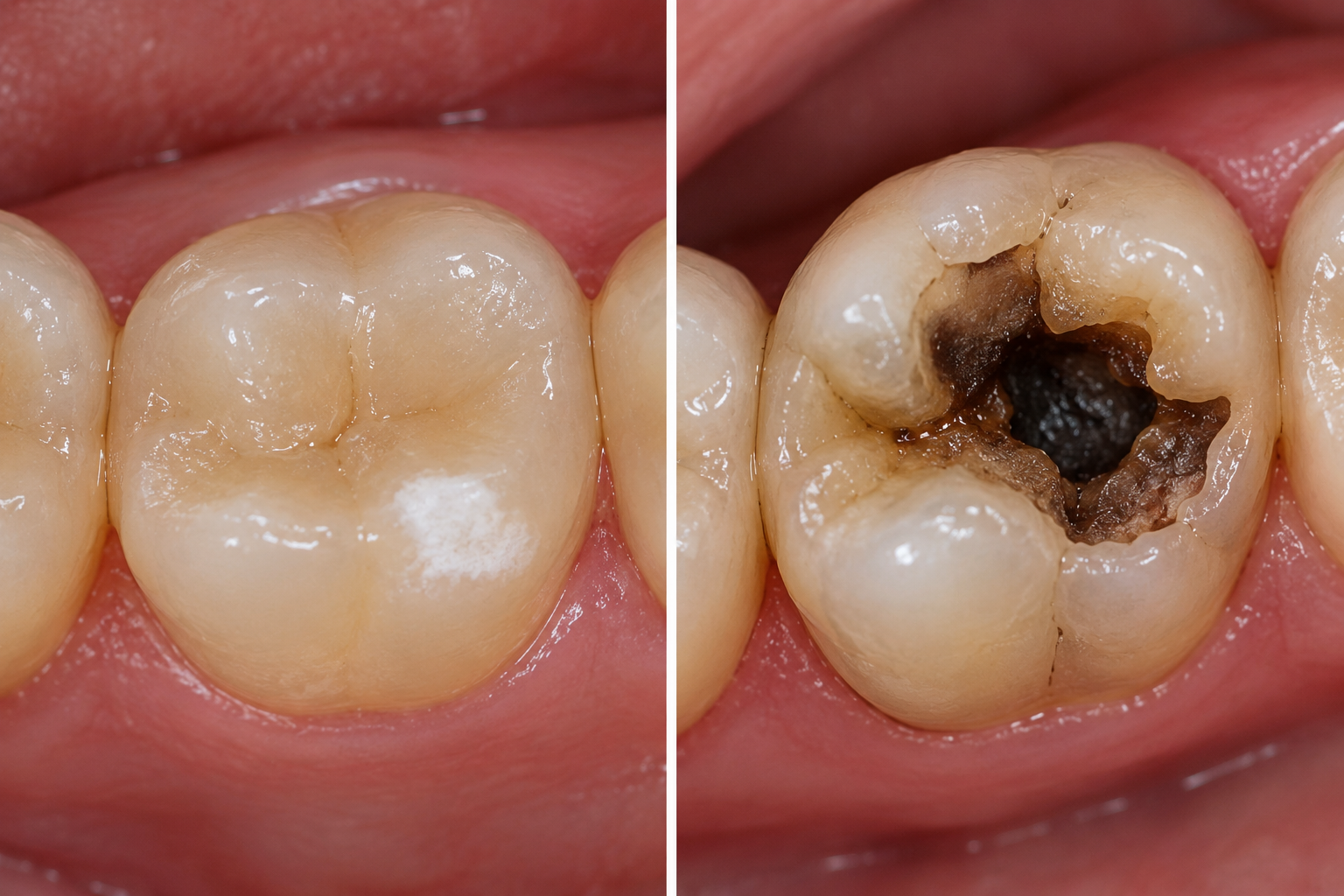
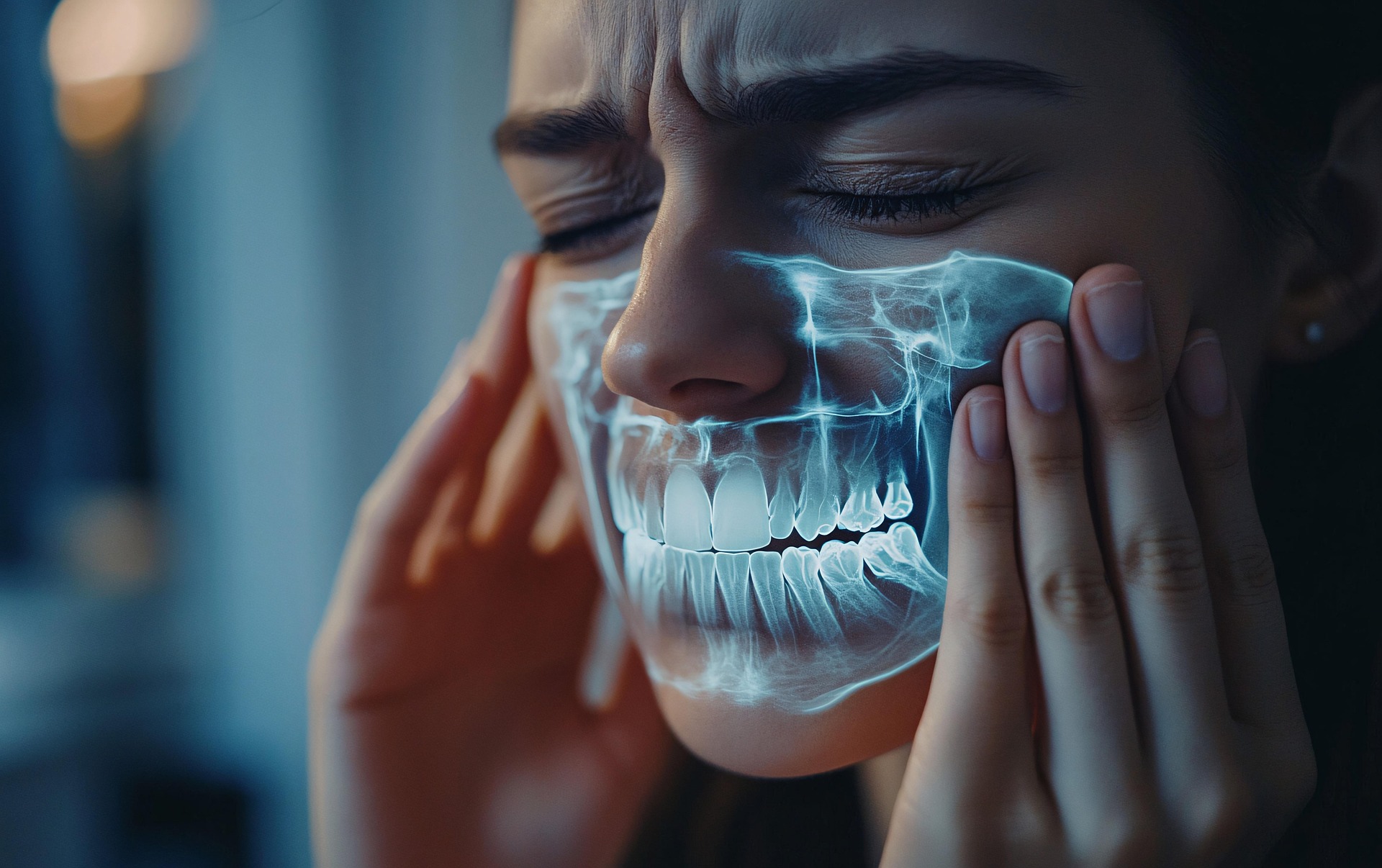
That sudden jolt of pain when you sip something cold or bite into ice cream is one of the most common dental complaints. Tooth sensitivity happens when the protective enamel wears down or the gums recede, exposing the softer dentine underneath and the tiny nerve channels within it.
Common culprits include brushing too hard, acidic food and drink, teeth grinding, gum disease, or a cracked tooth or filling. A few simple habits can make a real difference:
- Use a soft-bristled brush and a toothpaste made for sensitive teeth
- Avoid brushing immediately after acidic foods or drinks
- If you grind your teeth, ask your dentist about a night guard
If sensitivity is mild, these steps often help within a few weeks. But sharp, lingering, or worsening pain can point to decay, a crack, or an exposed root that needs treatment - so it's worth having a dentist take a look rather than simply living with it.
References
Grounded in standard dental textbooks and professional guidance. These are general sources, not a substitute for an in-person exam.
- Roberson TM, Heymann HO, Swift EJ. Sturdevant's Art and Science of Operative Dentistry.
- American Dental Association. Oral Health Topics.
This is general information written by a dentist, not personal medical advice. If you are in pain, swollen, or unsure, see a qualified dentist.